
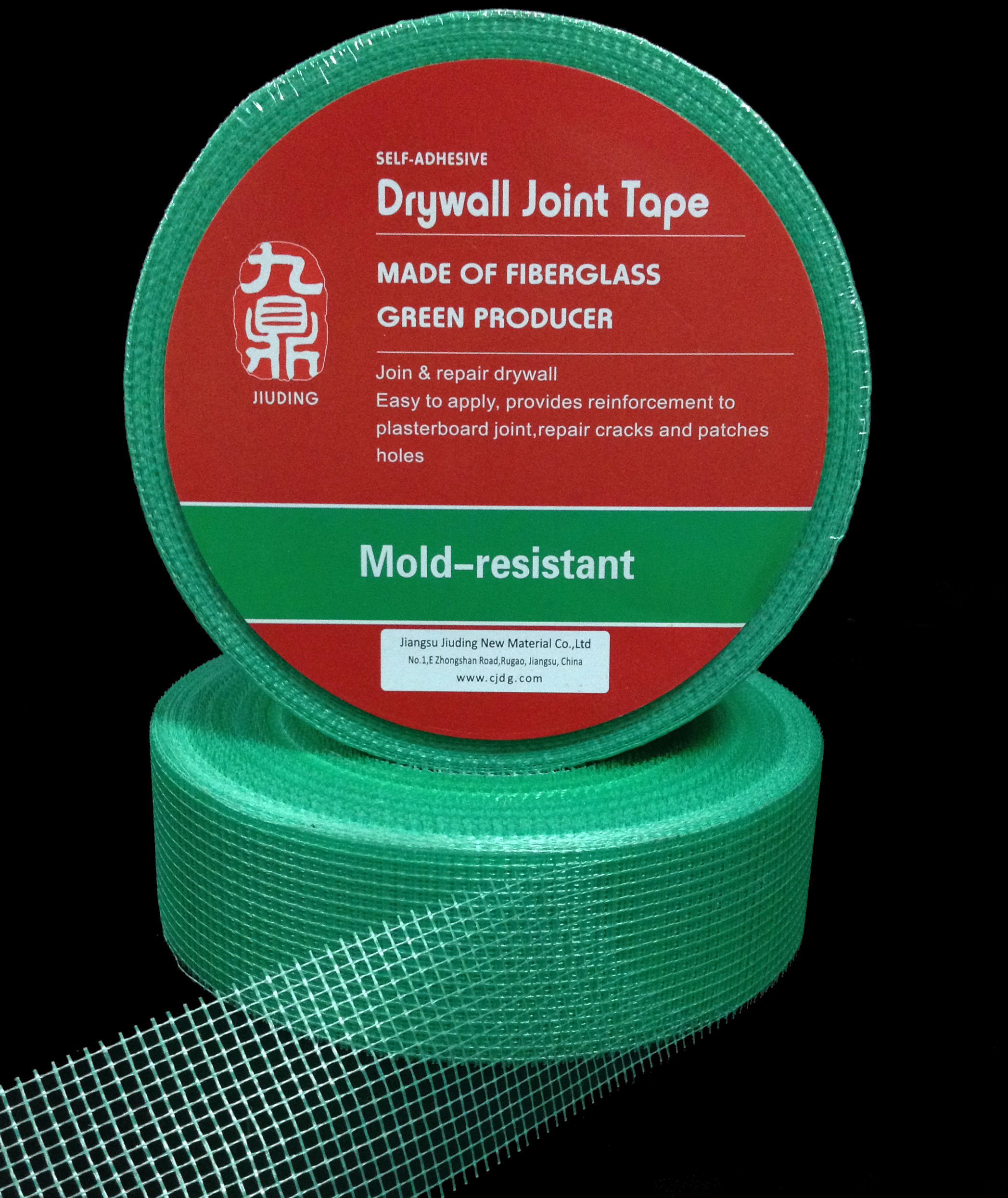
Fiberglass mesh tape is the standard recommendation for these areas—but “moisture-resistant” and “mould-resistant” are not the same claim, and not every wet room needs the same product.
Industry leaders position mould-resistant fiberglass tape specifically for “areas of the home that have limited humidity control such as bathrooms, kitchens, basement, laundry room or garage.” The reasoning is straightforward: paper tape is susceptible to moisture and mould, while fiberglass mesh resists moisture inherently.
For standard residential bathrooms and kitchens with exhaust fans, fiberglass mesh tape is the appropriate default. For basements with chronic dampness or laundry rooms with sustained humidity, the same applies. But if your project specification requires a documented mould-resistance rating, confirm whether the tape carries an ASTM D3273 or G21 test result—the base fiberglass mesh resists moisture, but the “mould-resistant” claim requires a coating or test rating to be meaningful.
Yes—if it carries a test rating. Ask for the ASTM D3273 result.
Reputable manufacturers publish specific performance data. CGC’s mould-resistant fiberglass tape “meets the highest rating on ASTM D3273 mould test.” FibaTape Mold-X carries a “perfect ’10′ rating on ASTM D3273.” These are verifiable claims that buyers can check against project specifications.
A tape labeled “mould-resistant” without a cited test standard is a red flag. For moisture-prone areas where mould resistance is specified, the ASTM D3273 rating is the benchmark to request. The difference between a coated mesh tape and an uncoated one is measurable—and the coating is what justifies the price premium.
No. This is the most common misconception in the category.
Mould-resistant tape resists mould growth on the tape itself. It does not waterproof the joint, and it does not replace proper moisture management (vapor barriers, waterproofing membranes, or cement board in wet zones).
The distinction matters most in showers and directly exposed wet areas. For tile backer board joints (cement board, Durock, Hardiebacker), the specified product is alkali-resistant mesh tape embedded in thinset—not standard drywall mesh tape. The alkali resistance protects the fiberglass from the chemical environment of cement-based adhesives.
Drywall joints in bathrooms, kitchens, basements, and laundry rooms—areas with humidity but not direct water contact.
Inside shower enclosures, on cement board joints, or anywhere a waterproofing membrane is specified.
Setting-type compound for the first coat. This is non-negotiable with mesh tape.
CGC’s technical data sheet is explicit: setting-type joint compounds are required for the first coat over its mould-resistant fiberglass tape. National Gypsum’s ProForm mesh tape carries the same requirement.
The reason is mechanical, not preferential. Mesh tape stretches under load, and drying-type (ready-mixed) compound lacks the rigidity to constrain that movement. Setting compound hardens chemically and locks the mesh in place. In humid environments, the problem compounds: ready-mixed compound may remain wet for extended periods, and moisture can compromise the adhesive bond between tape and substrate.
For buyers sourcing complete systems: If you supply mesh tape, consider bundling or cross-referencing setting-type compound. Contractors who buy mesh tape without it are set up for callbacks.
The moisture-resistant tape category is not a single product—it is a matrix of tape type, coating, compound compatibility, and substrate. Distributors who can articulate where standard fiberglass mesh stops and mould-resistant or alkali-resistant products begin, and why setting compound is mandatory with mesh, position themselves as technical resources rather than commodity sellers. That distinction is what converts a price-shopper into a repeat buyer.
Post time: Nov-16-2026